
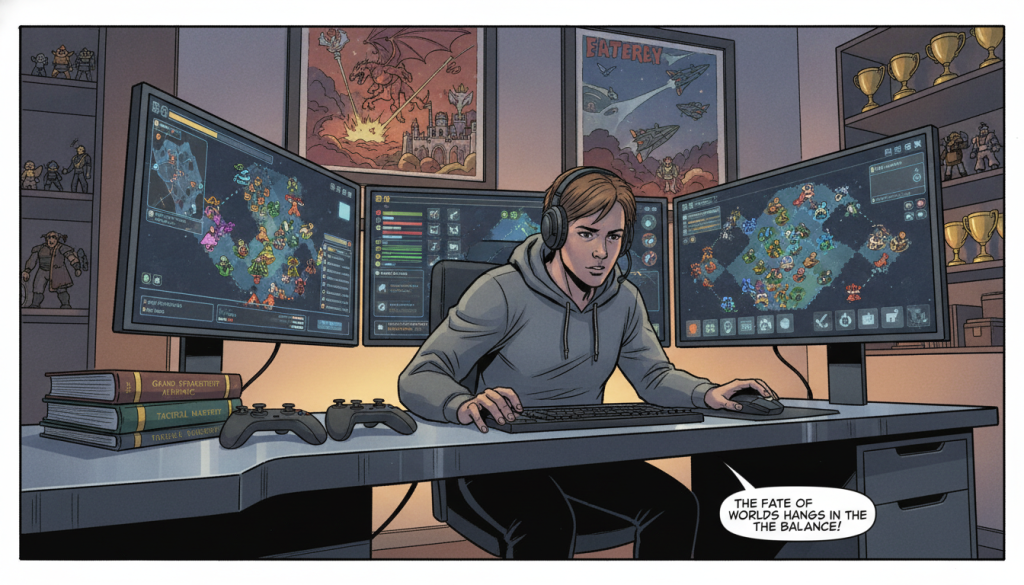
Strategy games have stuck around because they reward a different skill than most genres. Chess, war simulations, tower defense: none of it comes down to reflexes. It comes down to whether the plan you made three moves ago still holds up. Quick hands don’t save you here. A clear head does.
CrazyGames made a lot of this more accessible just by removing the barrier to entry. No download, no install, no account wall, just open a tab and start playing. That alone probably keeps more people in the genre than any single title does. Mahjong’s staying power says something similar: a genre doesn’t need flashy mechanics to hold attention if the choices actually matter and the rules stay legible.
The enduring appeal
Bloons Tower Defense 4 is a clean example of what makes the genre tick. Place a tower, upgrade it, watch the next wave tell you immediately whether it worked. There’s no ambiguity in the feedback, which is part of why it’s so easy to lose an hour to.
AOD – Art of Defence runs the same basic loop in a post-apocalyptic setting, and the shifting conditions force constant re-adjustment instead of setting a defense once and coasting through the rest of the level. Tower Swap folds match-3 puzzle mechanics into tower defense, a stranger combination than it sounds, since you end up solving a puzzle and defending a position in the same move.
Funny Battle Simulator 2 leans into commanding a roster of oddball units, more comedy than realism, but the tactical layer underneath is still real. Stick War goes the more conventional route: armies, territory, a campaign framed as a push toward peace. Goodgame Empire barely resembles either of those; it’s built around resource gathering and construction, which shows how much ground “strategy” actually covers once you look past combat.
| Game Title | Type | Unique Feature |
|---|---|---|
| Bloons Tower Defense 4 | Tower Defense | Upgrade towers against balloons |
| AOD – Art of Defence | Tower Defense | Post-apocalyptic setting |
| Tower Swap | Puzzle / Tower Defense | Match-3 mechanics |
| Funny Battle Simulator 2 | Army Command | Unconventional heroes |
| Stick War | Army Command | Campaign for peace |
| Goodgame Empire | Resource Management | Building construction focus |
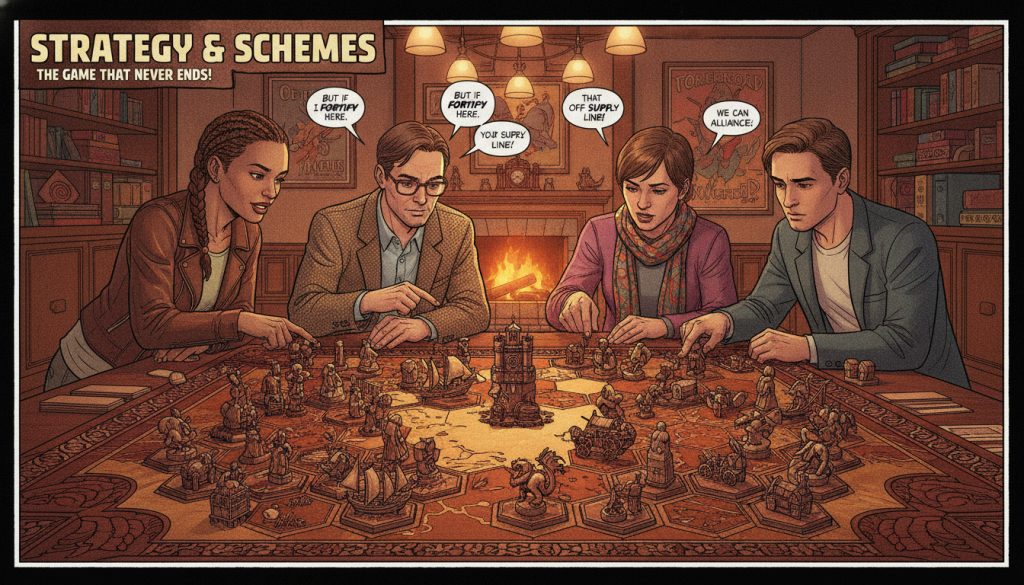
Different mechanics, same underlying skill
Cursed Treasure 2 is tactical combat in a fairly pure form: trolls, orcs, and wizards coming in waves, every encounter down to placement and timing. One badly timed decision and the whole wave gets through.
Word Search sits at the opposite end of the spectrum: no combat at all, just focus and vocabulary, a quieter kind of puzzle. 2048 lands somewhere in between: no enemies to fight, but every move has to be planned a few steps ahead or the board locks up on you fast. The skill transferring across all three of these is the same one, whether you’re commanding an army or sliding numbered tiles: think ahead, or lose to your own impatience.
From tower defense to total war
Armor Games lists 427 strategy titles, which is enough range that the genre label starts to stretch in interesting directions. Rogue Fable III and Heart of Galaxy: Horizons are two of the more distinct entries, a roguelike dungeon crawler and a space-empire builder, sitting under the same broad category as tower defense games that are, comparatively, much simpler in scope.
Real-time multiplayer titles add a kind of pressure solo play doesn’t have. You’re adapting to another person’s live decisions instead of a predictable AI pattern, which changes the whole rhythm of a match. Defense Designer builds actual teamwork into that format rather than treating multiplayer as an afterthought.
| Game Title | Type | Unique Feature |
|---|---|---|
| Rogue Fable III | Roguelike | Randomized dungeon exploration |
| Heart of Galaxy: Horizons | Space Strategy | Galactic empire building |
| YORG.io 3 | Tower Defense | Resource management mechanics |
| Factions | Multiplayer | Team-based strategy |
| Idle Awakening: Mages Path Demo | Idle Strategy | Progress without constant play |
Five pages of results total in the strategy category. Running out of things to try isn’t really the risk here; narrowing it down is.
Worth your time
Tower Swap, Mage Castle Idle Defense, and Cursed Treasure 2 cover a decent range of what the genre offers, from puzzle-hybrid to pure defense to something closer to idle management. Mobile options like City Takeover and Battle Arena mean none of it requires sitting at a desk either.
With 427 titles to pick from, the harder problem isn’t finding something to play. It’s narrowing down what kind of strategy game actually fits the mood you’re in that day, ten minutes of tower placement or a slower build spanning a week.

A few questions
What are good strategy games to start with here? Bloons Tower Defense 4 and Stick War are both straightforward entry points: easy rules, clear feedback on whether a choice worked, nothing that punishes a first-time player too hard.
How do tower defense games actually work? You place towers along a path, upgrade them as you earn resources, and try to stop waves of enemies before they reach the end. The core loop is the same across most titles in the category; only the theme and pacing change.
Can I play these with friends? Titles with a multiplayer or team component, like Defense Designer, support playing alongside others rather than solo. Not every strategy game here has that option, so it’s worth checking before assuming.
What skills actually improve from playing these? Reading a situation quickly, planning under limited resources, and adjusting a plan mid-game without panicking when the first version of it stops working.
Are any of these more puzzle than combat? Word Search and 2048 both lean puzzle, no combat at all, just pattern recognition and planning a few moves ahead.
What’s the real difference between real-time and turn-based? Real-time forces decisions on the clock, no pausing to think it through. Turn-based hands you as much time as you want per move, at the cost of losing that pressure entirely.
Leave a Reply